
















































Wolf Simulator: Wild Animals 3D — live as a wolf, build a pack
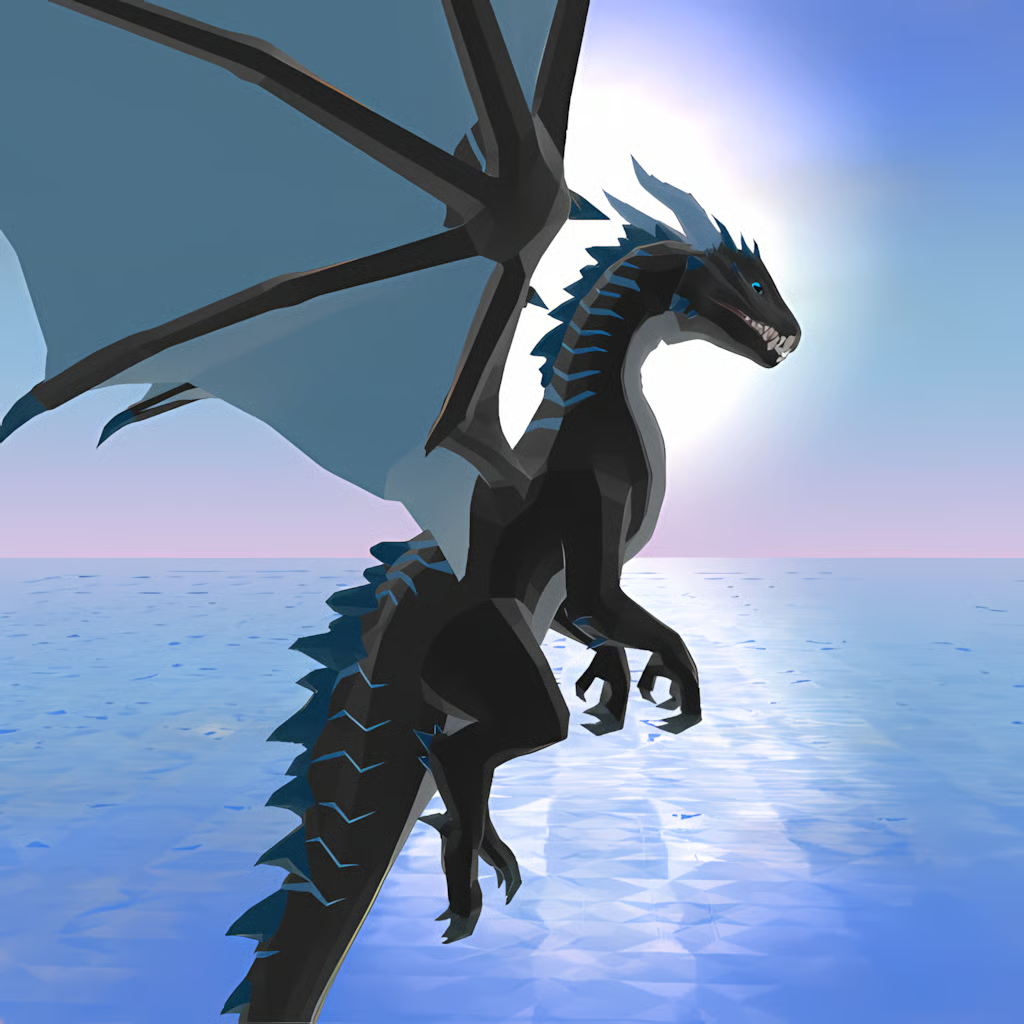
In Wolf Simulator: Wild Animals 3D you start as a lone wolf in a large open world of farm, forest, river, mountain and fields. You hunt animals for food and experience, take jobs from other wolves and humans, level up Attack, Energy and Health, find a mate, raise cubs, and work toward taking on tougher predators like bears, cougars and the huge dragon.
PC controls: move, attack, sprint and jump
On desktop the game is played with keyboard and mouse. Read the opening tooltips once, then use this set:
- Move: WASD or arrow keys
- Attack / bite: left mouse button, close to the target
- Sprint: hold Shift while moving
- Jump: Spacebar
Walk up close before you bite so you do not miss, and use sprint in short bursts to close distance or pull away. If your controls feel stiff, fullscreen browser play and a real mouse help more than a trackpad.
What should beginners hunt first?
Do not fight everything you see. Smaller, non-aggressive prey is the safe start, while bears, cougars, snakes, foxes and especially the dragon hit back hard and are meant for a stronger wolf with pack help.
- Start with easy farm animals and small wild prey such as rabbits, chickens, goats, sheep, pigs and deer.
- Leave boars, cows, horses, dogs, foxes, cougars, snakes and bears until you have more Health and Attack or family members beside you.
- Watch your health bar in every fight. Back off early, sprint away, eat, then return rather than trading hits you will lose.
- Eat meat from defeated animals to restore health. Eating is both food and healing, so always finish a kill when you can.
A good early loop is: hunt one manageable target, eat to heal, look for a nearby quest marker, then hunt again. Slow, patient fights level you up faster than dying to a bear.
Quests, coins, XP and how to level up faster
Hunting and quests both give experience, but they pay differently:
- Experience and levels come from hunting and from completing quests. You do not need quests to gain XP.
- Coins are quest-only. Completing jobs is the way to earn gold coins for upgrades and looks.
- Spend coins on stronger stats and on skins and body-part changes. Stats help in fights, appearance is visual only.
To level faster, mix both activities. Roam for easy kills for steady XP, and pick up every quest you pass from wolves and humans on the farm and at the edge of the woods. Quest targets often guide you to new areas with fresh prey, so you earn twice.
Which upgrades first: Health, Energy or Attack?
The game lets you improve Attack, Energy and Health, plus special bonuses such as running faster, collecting more food, earning more rewards and surviving longer.
- Health first if you keep dying — it lets you survive one extra hit and finish more hunts.
- Attack next to shorten fights against tougher animals like boars and foxes.
- Energy helps you sprint, chase and escape. Add it when you feel too slow to catch prey or run from predators.
- Keep your pack members improving too, not only your main wolf.
Save skins, glow effects and cosmetic body changes for after your core stats can handle the next threat tier.
How to find a mate and raise cubs
Wolves are pack animals, and the pack is what turns hard fights into winnable fights. As you progress you can seek a mate and start a family.
- Explore and follow quest markers to meet other wolves. Finding a mate unlocks family play.
- Once you have a mate and cubs, bring meat back to feed them. Fed pack members gain experience and grow stronger.
- Hunt together: family members travel with you and help during hunting and combat.
- Do not rush the dragon or cougars solo — wait until your cubs can fight beside you.
Think of cubs as long-term help. Feed them early with easy prey, and they will pay you back when you challenge retaliating animals.
Which animals are dangerous?
The world lists many huntable animals — deer, rabbit, boar, cow, goat, sheep, pig, horse, fox, cougar, snake, chicken, dog and cat — plus dangerous enemies including a huge dragon. Use this rough threat order:
- Safer first: rabbit, chicken, goat, sheep, pig, deer.
- Mid-tier, can retaliate: boar, cow, horse, dog, cat, fox, snake.
- Late, avoid early: bears, cougars and the huge dragon. Return only with upgraded Health and Attack and pack support.
If a fight turns bad, sprint out, heal on small prey, upgrade, and try again later. Choosing the right opponent matters more than attacking first.
Map and human tasks: fetch produce and pull carts
Beyond hunting, you will meet humans and fellow wolves who need help. Common jobs include fetching produce, delivering items, exploring new spots and pulling carts.
- Check the farm first, then forest edges, rivers and fields — quest givers usually stand out from animals.
- Follow the steps exactly, such as hunting a named animal or visiting a location, to get your coins.
- Quests are also a good tour guide: they teach you where small prey, shelter and tougher zones are without wandering blind.
Where to play and fullscreen tips
This edition is built for browser play on desktop with keyboard and mouse, with fullscreen mode for a more immersive hunt. Start on PC if you can, use WASD plus mouse, and play in fullscreen to spot quest markers and prey at distance. Mobile browser and app listings exist under the same CyberGoldfinch name, but controls are smoothest on computer.
Quick beginner checklist
- Learn WASD move, left-click attack, Shift sprint, Space jump.
- Hunt small prey first and eat meat to heal.
- Take quests for coins; hunt for steady XP.
- Upgrade Health, then Attack, then Energy — improve the pack too.
- Find a mate, feed cubs meat so they grow into hunting help.
- Skip bears, cougars and the dragon until you are stronger.
Comments(1)
This is a wolf game it looks fun I'm joining