Anno 117: Pax Romana – A Grand Journey Into the Heart of Ancient Empire
Modern Cannon Strike
Cut Annoying Orange Idle
Crown & Cannon
Merge Cannon: Number Blast

Arcade Empire

Internet and Gaming Cafe Simulator

Stickman battle 1-4 Players

Capture War
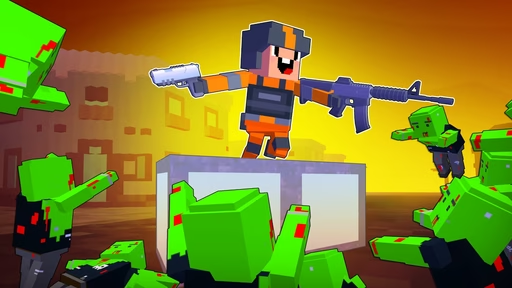
Cubic Frontier: Zombie Robby

Office Tycoon: Expand & Manage

Satisfying Ball Clicker
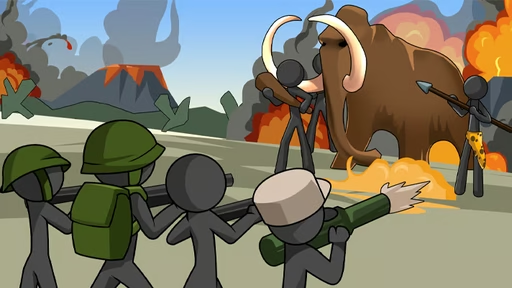
Stickman History Battle
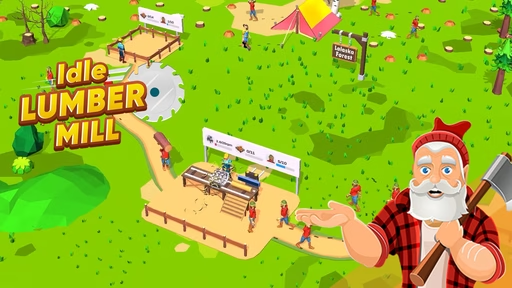
Idle Lumber Mill
Lost Kingdom: Supply Wars

Create Your Beach

Through the Wall

Fashion Challenge: Catwalk Run
Is Today Another Day?
Destiny King
Emerland Solitaire Endless Journey

Balanced Running
Anno 117: Pax Romana – A Grand Journey Into the Heart of Ancient Empire
Stepping into Anno 117: Pax Romana feels like entering a living world shaped by ambition, diplomacy, and the rhythm of everyday life in the ancient Roman Empire. Even though your gaming site may not actually host the title, a themed page built around its atmosphere, city-building depth, and historical appeal can help players understand why this era continues to capture attention. Games inspired by Roman expansion, frontier management, and imperial strategy often draw fans who enjoy thoughtful building systems, open-ended progression, and the sense of controlling a rising civilization. This page focuses on that immersive experience — a space where grand architecture, cultural management, and strategic decision-making come together to form a rich tapestry of ancient urban life.
Anno 117: Pax Romana, like many games centered on empire building, invites players to guide settlements from humble beginnings to thriving hubs of trade and culture. The appeal lies not only in the visual splendor of Roman cities but also in the dynamic challenges of governing them. As settlements grow, players must respond to shifting demands, manage resources wisely, balance civilian happiness, and navigate political tensions. Fans of city-building titles often come looking for deep systems, vibrant worlds, and long, satisfying gameplay loops, and this theme captures those expectations perfectly.
A World Built on Culture, Commerce, and Strategic Depth
What makes a Roman-era building game feel so engaging? It’s the sense of shaping history with your own choices. Players start with modest outposts, often located along the empire’s vast frontiers. They cultivate farmland, manage lumber supply, create early trade routes, and gradually unlock advanced structures that represent Rome’s architectural legacy — aqueducts, temples, forums, garrisons, marketplaces, and sprawling residential districts bustling with life.
As the settlement expands, new layers of complexity emerge. Certain regions require specialized goods, unique resource chains, or climate-specific strategies. Frontier territories in northern provinces may need fortified walls and military presence to maintain order, while southern regions flourish through desert trade networks and agriculture. The decisions players make ripple through every aspect of their settlement, shaping not only the city’s growth but also the identity of the province itself.
Commerce plays a central role in these experiences. Roman trade networks were vast, connecting Mediterranean ports, inland colonies, and caravan routes that crossed entire continents. Gameplay inspired by this period often replicates that intricate economy, offering players the opportunity to track supply lines, negotiate with neighboring factions, and exchange precious materials that help cities prosper.
Life Within the Empire: Managing Society and Progress
Urban management in a Roman-themed game goes far beyond building structures. A city feels alive when its people have distinct needs, rising expectations, and cultural preferences. Citizens might require entertainment to maintain morale — amphitheaters, public baths, or lively marketplaces that create a sense of community. As their living standards improve, they ask for refined goods, better housing, and more advanced services. Keeping them satisfied becomes a core challenge.
This reflects the timeless appeal of city-building gameplay: watching a province evolve from scattered huts into orderly streets lined with villas, monuments, and centers of trade. Every player enjoys seeing their decisions shape a thriving metropolis, especially when the world reacts in visible and meaningful ways. Weather shifts, migrating caravans, military events, and natural disasters can all influence the city’s future, adding unpredictability that keeps each playthrough unique.
Another intriguing element is the balance between expansion and stability. Roman provinces prospered when governors maintained fair laws, steady supply, and peace. But external threats could appear without warning. Managing defenses, forming alliances, or preparing emergency stockpiles may determine whether a flourishing city survives hardship. Games built around these dynamics often deliver engaging tension: grow too quickly and risk collapse; grow too slowly and miss opportunities.
Exploration, Frontier Challenges, and Regional Identity
The Roman Empire extended across diverse landscapes — forests, rivers, deserts, mountains, and farmlands shaped the lives of the people living within each province. Games inspired by Anno 117: Pax Romana typically reflect this variety through region-specific mechanics. You might oversee a settlement near the Rhine, where harsh winters demand careful planning, or manage a warm coastal hub dominated by maritime trade.
Frontier outposts can introduce a more adventurous tone. Players might scout unknown territory, meet local tribes, uncover natural resources, or decide how to integrate new communities into the empire’s structure. These interactions offer narrative richness, letting players see how different cultures responded to Rome’s presence. Strategic choices — diplomacy or occupation, cooperation or independence — influence how the frontier develops.
The element of exploration brings a strong sense of discovery. Players can survey potential building sites, evaluate hidden opportunities, and adapt expansion strategies based on what they uncover. This encourages experimentation, making each new province feel fresh and unpredictable.
Political Influence and Decision-Making
Rome’s strength was not only built through armies and architecture, but also through diplomacy and governance. A thematic experience based on Anno 117: Pax Romana typically introduces political decisions that shape the destiny of a region. Players might respond to petitions from citizens, requests from the Senate, disagreements between local factions, or moral dilemmas that test their leadership values.
These decisions add narrative depth and make provinces feel like dynamic societies rather than static maps. A single choice can lead to prosperous trade treaties, unexpected rebellions, or long-term alliances. When combined with city-building mechanics, this creates a layered experience where strategy and storytelling intertwine.
Some games even allow players to influence major historical events, guiding the rise of new leaders, shaping military reforms, or forging paths that diverge from traditional history. This gives players a sense of authorship over the empire’s future, making their journey feel meaningful.
Visual Splendor and the Atmosphere of Ancient Cities
A significant part of the appeal comes from the atmosphere — the vibrant markets, stone pathways, bustling villas, and monumental structures that define Roman architecture. Players enjoy building cities that feel authentic, lively, and culturally rich. Whether constructing a towering aqueduct or placing decorative gardens between lavish estates, every detail contributes to immersion.
Soundscapes also matter. The distant calls of merchants, the ringing of metalwork, slow footsteps from patrolling soldiers, and ambient conversations from citizens all make the environment feel alive. Combined with weather changes and day-night cycles, the atmosphere becomes a character of its own.
This attention to detail helps players appreciate the beauty of the ancient world. Even those who come for strategy often stay because the world feels rewarding to build and observe.
Tips for Players Exploring Roman-Era Building Games
For players new to this style of game, a few guiding principles help shape a successful province:
Start With Balanced Foundations
Focus on consistent supply chains for food, basic building materials, and early civic services. A stable foundation prevents crises later.
Adapt to the Region
Study the map. Some territories favor farming, others thrive through trade or resource extraction. Let the land dictate your early priorities.
Maintain Citizen Happiness
Unhappy citizens slow growth and cause disruptions. Provide entertainment, security, and essential amenities.
Trade Smart
Use trade routes to bring in scarce materials or export surplus goods. Strategic commerce can accelerate development more effectively than expansion alone.
Think Long-Term
Plan roads, housing districts, and industrial zones with future growth in mind. A well-structured city remains efficient even at large scale.
These simple principles allow players to enjoy deeper layers of the experience, discovering their own strategies as they play.
Common Questions About Roman-Era City-Building Games
Is the gameplay more peaceful or combat-focused?
Most games with this theme emphasize building, resource management, and politics. Combat may exist but usually plays a supporting role rather than dominating the experience.
Can players explore multiple regions?
Many titles provide a variety of maps or provinces, each with unique climates, resources, and narrative threads.
Are choices important to progression?
Absolutely. Decisions about trade, alliances, citizen welfare, and expansion can dramatically shape a city’s future.
Is it beginner-friendly?
Yes. Many systems are intuitive, and early missions often guide new players through essential mechanics. Experienced fans can explore deeper strategies as they progress.
What makes the Roman theme so appealing?
It blends beauty, history, and strategy in a way few eras can. The architecture is iconic, the culture is rich, and the strategic possibilities are nearly endless.
Why This Theme Resonates With Modern Players
There is a timeless fascination with watching a city grow. Roman-era strategy games build on that foundation and pair it with strong atmosphere, meaningful decisions, and the romance of ancient civilization. Whether establishing frontier outposts or developing bustling port towns, players enjoy shaping their own version of the empire. The combination of creativity, management, and historical flavor offers something for both casual players and long-time strategy fans.
Even without hosting Anno 117: Pax Romana directly, your themed page can attract players who are curious about Roman strategy experiences, city-building depth, and historically influenced gameplay. It invites them into a broader world of management and empire-shaping adventures, helping them explore the charm and complexity of one of history’s most fascinating eras.